In many communities, conversations around sexual and reproductive health and rights (SRHR) remain constrained by stigma, misinformation, and deeply rooted social norms. For young people living with disabilities and other compounded vulnerabilities, these barriers are even more pronounced often resulting in exclusion from essential health services, limited autonomy, and increased exposure to social and economic risks. Recognizing this urgent need, Organization for Integration and Promotion of People with Albinism continues to lead transformative, community-centered initiatives that challenge these barriers and promote inclusive access to SRHR.
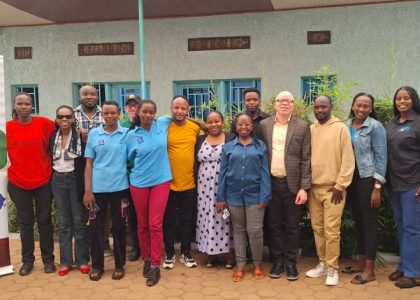
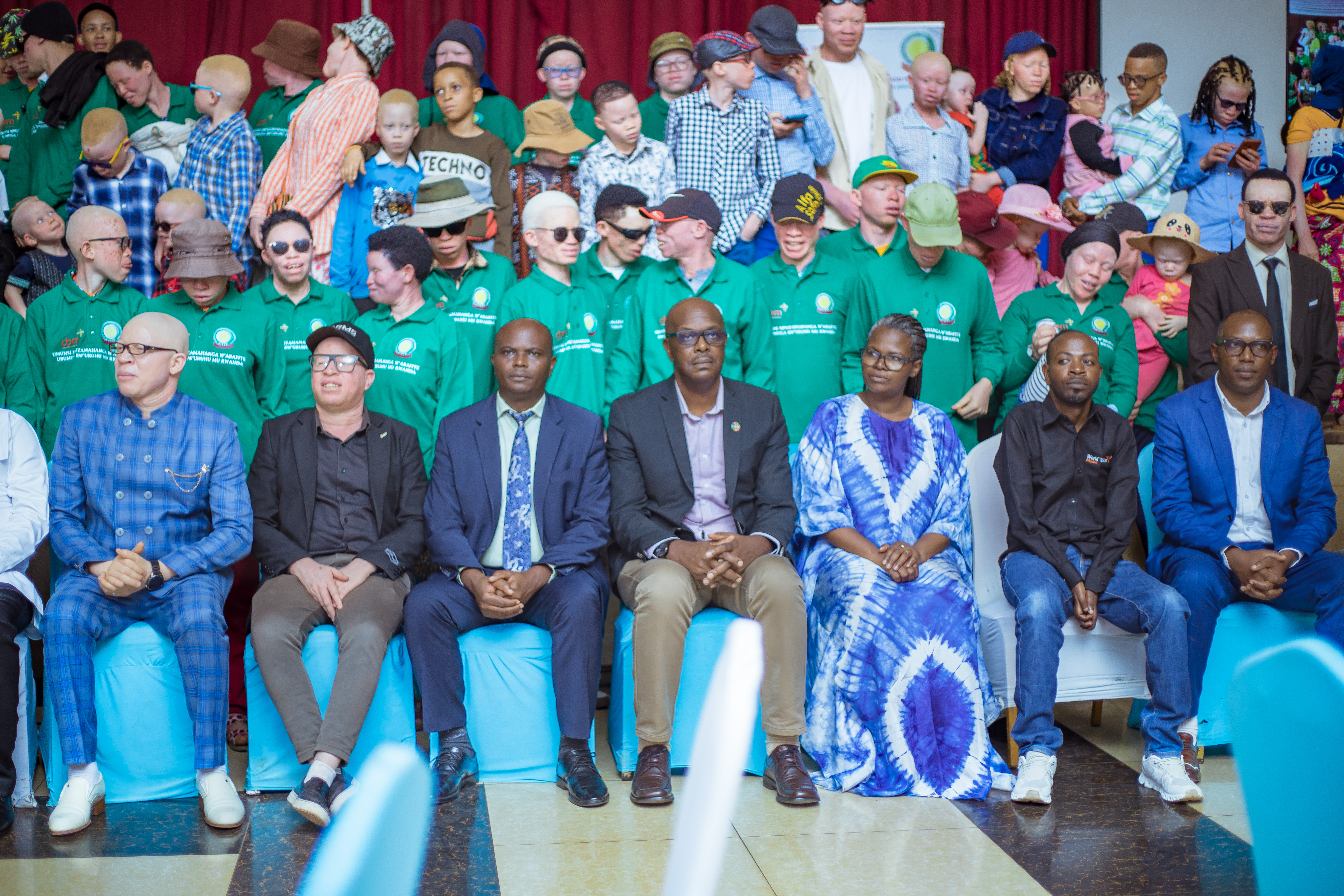
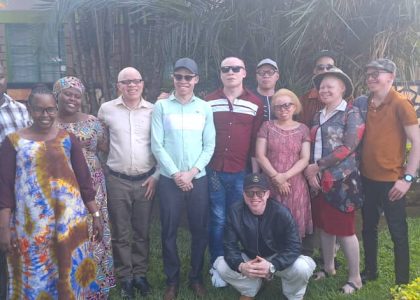
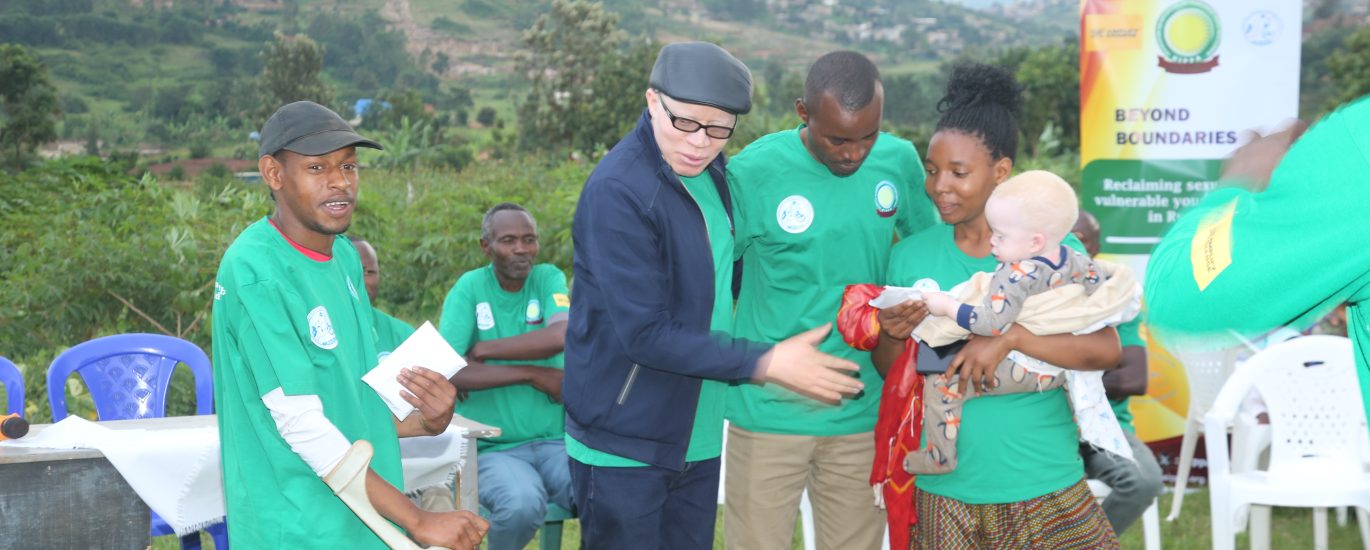
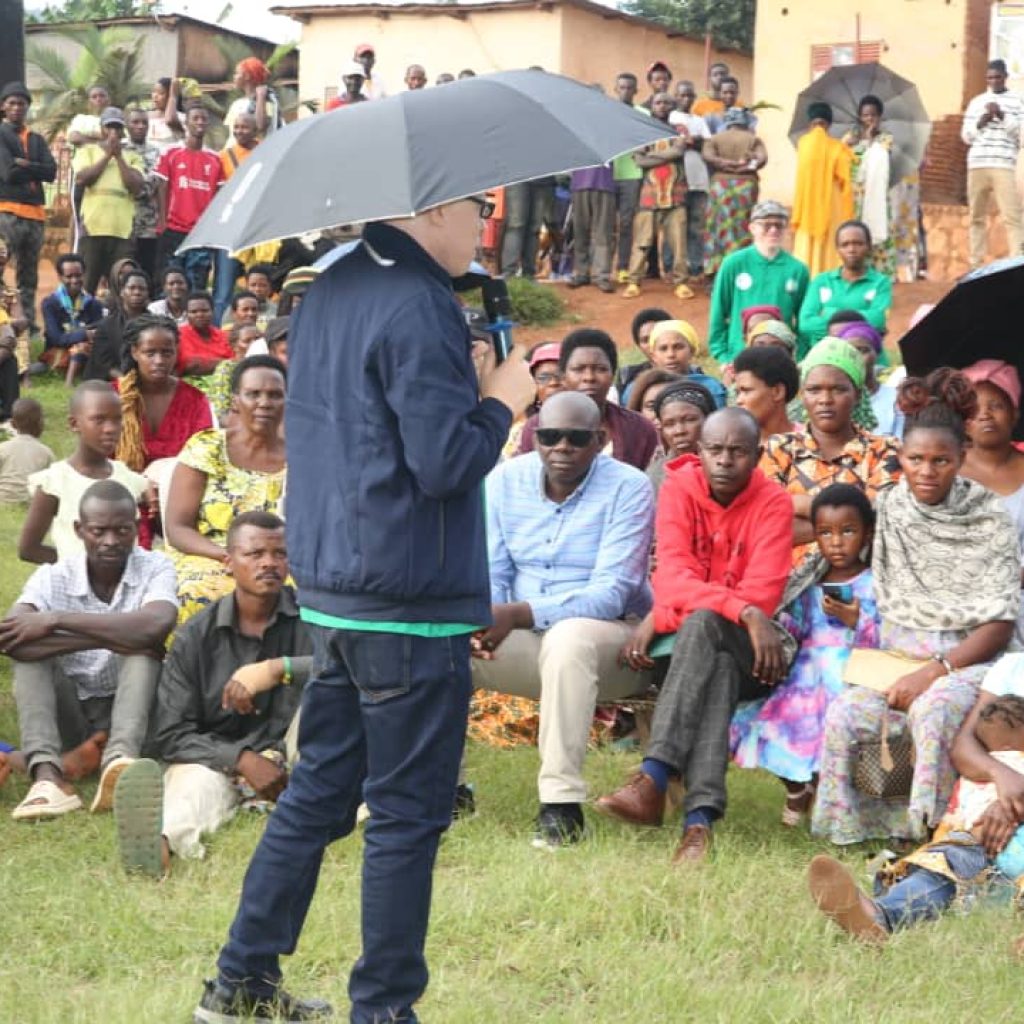
On 28th April 2026, OIPPA organized a dynamic community awareness event in Uwaruraza village of Ngara Cell in Bumbogo Sector. This strategic approach ensured the engagement of a diverse audience, including youth, parents, community leaders and persons with disabilities. By embedding the awareness session within an existing community structure, the initiative maximized participation while fostering open and inclusive dialogue.
Addressing the Realities Behind Vulnerability
The awareness session was grounded in the realities faced by vulnerable young people; particularly those experiencing overlapping forms of marginalization due to disability, poverty, gender or geographic isolation. Central to the discussions was the issue of teenage pregnancy, explored not merely as an outcome but as a symptom of broader systemic challenges. Participants examined contributing factors such as limited access to education, economic hardship and gaps in youth-friendly health services.
Equally important was the emphasis on dismantling harmful perceptions surrounding persons with disabilities. Persistent myths that deny their sexuality or disregard their need for SRHR services were openly challenged. Facilitators highlighted that access to accurate information, respectful care and informed decision-making is a fundamental right for all individuals, regardless of physical or social circumstances.
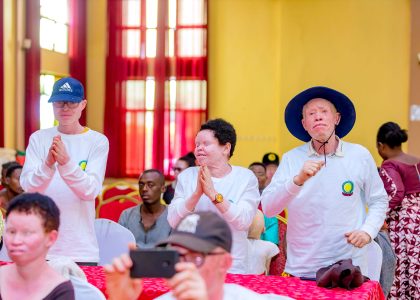
Rather than relying solely on formal presentations, the event adopted a participatory model that encouraged active community involvement. Through a blend of educational talks, interactive discussions and creative performances, participants were not only informed but also emotionally engaged. Testimonies and lived experiences shared during the session played a critical role in humanizing the issues, allowing attendees to connect with the realities behind the statistics.
The event strengthened the role of local leaders and community health workers as critical actors in promoting inclusive health practices. Their engagement signals a growing commitment at the grassroots level to support vulnerable populations and ensure that no one is left behind.
Beyond immediate awareness, the initiative contributes to a broader movement aimed at reshaping community attitudes and institutional responses to SRHR. By addressing stigma, promoting rights-based approaches, and fostering dialogue, OIPPA is helping to build a more inclusive and supportive environment for young people.

A Call to Collective Action
The success of the Bumbogo awareness event underscores the power of community engagement in advancing social change. However, sustained progress requires continued collaboration among civil society organizations, local authorities, health providers and community members.
Promoting inclusive sexual and reproductive health is not solely a health issue, but a matter of dignity, equality and human rights. As communities become more informed and supportive, the path toward empowerment and inclusion becomes clearer for all, especially those who have long been marginalized.
Through initiatives like this, OIPPA reaffirms its commitment to ensuring that every individual regardless of their circumstances has the knowledge, agency and support needed to make informed decisions about their sexual lives and their futures.